

Engagement Rings


Choosing A Diamond Solitaire Ring Setting


Solitaire engagement rings have been around for as long as rings have existed and remained the most popular ring style choice. Although they seem simple at first glance, a few key details have an important impact on the look, function, and style of your ring. The most specific, most popular setting for a solitaire diamond is a prong setting, in which small bands of metal secure and connect the center diamond or gemstone to the ring shank. However, there are many prong styles available, and it is essential to choose the style that best suits your taste and lifestyle.
Four-Prong Rings
A four-prong solitaire setting allows the most significant possible area of the diamond to be visible, making a well-cut diamond stand out on its own. It is vital to ensure that the four prongs are strong enough to hold the diamond securely and that the prongs are adequately spaced around the stone. In addition to solitaire settings, four-prong settings are often used to secure the center stone in more intricate rings.
Six-Prong Rings
A secure, tall and classic solitaire setting - the six-prong setting utilizes six evenly-spaced prongs that enhance the appearance of a round brilliant-cut diamond. The most famous example of a six-prong setting is the Tiffany-style setting, which creates the illusion that the diamond is larger. In the hundred years since this style was introduced, many variations have been created, but the classic Tiffany-style solitaire setting remains one of the most popular choices. The idea was to make the diamond appear more prominent and look like it was floating above the band. Only the culet of the diamond remains hidden in a Tiffany setting.
"Trellis-Prong" Solitaire Engagement Ring
A variation of the classic four-prong solitaire setting, the trellis-prong ring crosses the prongs over each other, creating a delicate basket that enhances the style of your ring. At the same time, its openness provides ultimate diamond light play. Trellis prongs work well with round, oval, cushion, Asscher and princess-cut stones.
Double claw prongs Solitaire Ring
Double claw prongs are slimmer than single solid prongs and are ideally used for round, oval and cushion stones. The double-clawed prong is the dual rounded prong tips where the prongs are finished with a rounded edge instead of a pointed appearance or a soft pointed edge.
By taking the classic four-prong ring and splitting each prong into smaller pieces that grip the stone-like claws, jewelers created the double claw ring, which has an elegant look and secure hold for more unusual diamond shapes. The two prongs set closely together do not detract from the stone's overall appearance while offering better security for diamond shapes such as cushion cuts, emerald cuts, and princess cuts.
Eight and Ten Prong Rings
Solitaire settings with six, eight or more prongs are commonly found on antique or vintage engagement rings. An eight-prong solitaire setting can form a crown, adding a unique touch to a simple solitaire setting. The Claudette Aterna Engagement ring is a beautiful example of creating a delicate floral crown-inspired look.
Invisible Claw Setting
The invisible or seamless setting is a unique choice that is often used in designer halo settings. Versatile and stylish, the invisible settings' main feature gives the illusion that the center stone is suspended within the setting. The use of many tiny prong tips closely apart ideally secures the center stone and showcases its beauty without the interruption of standard-sized prong tips. It is rare and most popular in high jewelry as it requires the skill of highly experienced custom designers and goldsmiths.
V-Prong Rings
Diamonds with a pointed end such as princess, pear, marquise and heart require extra care to ensure that the delicate edge is adequately secured and accentuated. V-prongs are usually attached to those edges to show off the diamond while ensuring its safety.
Fishtail Prong Rings
More often found on vintage or antique-style jewelry, the fishtail prong solitaire setting creates the illusion of corners on a round stone. This was more popular before genuine princess-cut stones became accessible to the diamond market. However, it is still a unique way to create variety in a solitaire setting and to give the illusion of a larger stone subtly.
Intrigued with one (or more) of the rings from this post? Let us know on our social channels: Instagram, Facebook, or Twitter
Ready to choose your centre stone? Our guide to buying lab grown diamonds online in Canada walks you through every step.
Frequently Asked Questions
What is the most popular solitaire setting?
The prong setting is the most popular. Four prong and six prong styles are the classics, and each holds the centre stone up so light can reach it from every side.
Is a four prong or six prong setting better?
A four prong setting shows more of the diamond, so a well cut stone stands out. A six prong setting adds an extra point of contact, which many people find more secure, and it suits round diamonds especially well.
Which solitaire setting is best for an active lifestyle?
A lower profile setting with sturdy prongs, or a bezel, is a good choice if you work with your hands. Our design team can recommend the right height and prong style for how you live.
Can I choose my own metal and prong style?
Yes. Every Quorri ring is handcrafted to order in solid 10k, 14k or 18k gold or 950 platinum, and you can change the prong style, centre stone and size. Custom design quotes are always free.
Do solitaire settings work with lab grown diamonds and moissanite?
Yes. The same settings work with PURE® lab grown diamonds, ATERNA® Gen 4 and LUXE® Gen 3 moissanite, and with lab grown gemstones.
Also in The Quorri Journal
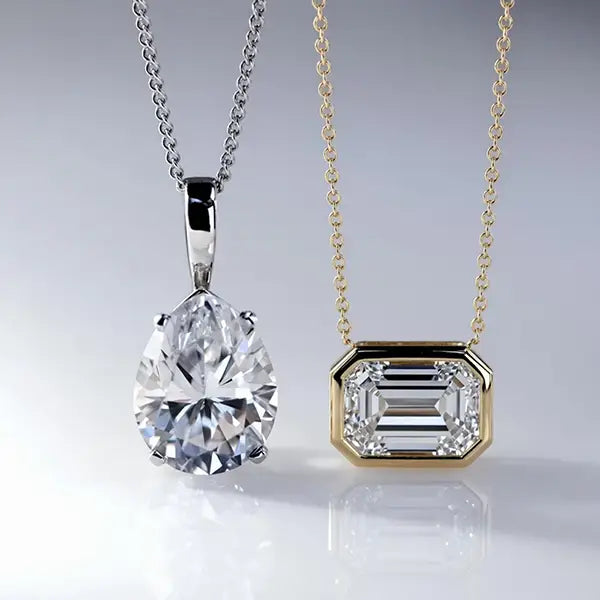

Diamond Pendant Necklace Guide: Chain Length, Necklines and Layering
How to choose the right chain length, match your pendant to your neckline and layer necklaces with confidence.
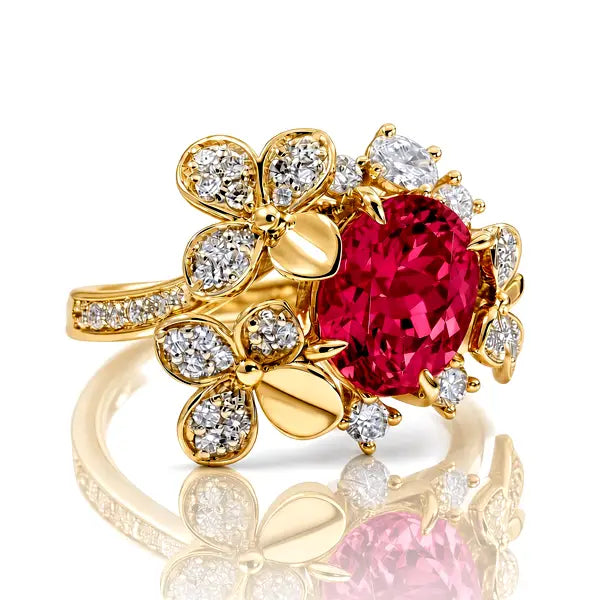

Ruby Engagement Rings: 7 Beautiful Styles and How to Choose
Seven ways to wear a ruby engagement ring, plus how to choose the right red, metal and size.


How to Buy a Lab Grown Diamond Online in Canada: A Buyer's Checklist
An 8-step checklist for buying a lab grown diamond online in Canada, from the grading report to fair pricing and red flags.